“Editors
lose interest when the event is no longer newsworthy or relevant…” Lee Gutkind
advices before going on to add that extensive research – such as the premise of
this blog – can help attract an audience to a topic already covered in other
forms of writing. By reading The Strange
Beside Me and Conversations with a
Killer and researching other non-fiction novels on Ted Bundy, it seems my
idea is one of the few that is written by a party uninvolved with the case or
Bundy himself.
 Although
the case of Ted Bundy ended many years ago, other stories from the past have
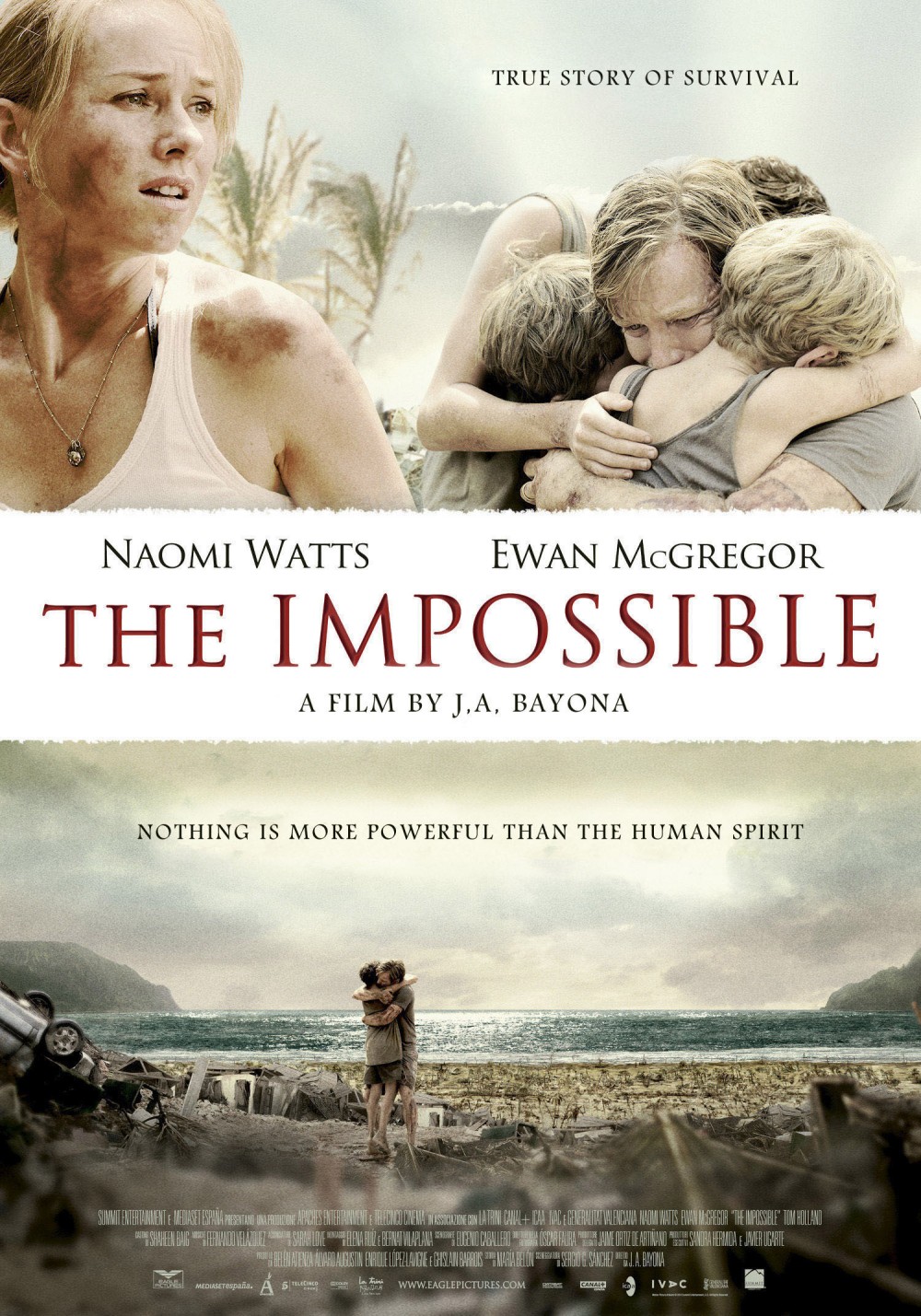
been reintroduced into the media for an audience’s entertainment value. And, to
my personal surprise, they were extremely popular. Some of the more ‘successful’
stories include Captain Phillips, Saving Mr Banks, The Impossible and Blackfish.
Although
the case of Ted Bundy ended many years ago, other stories from the past have
been reintroduced into the media for an audience’s entertainment value. And, to
my personal surprise, they were extremely popular. Some of the more ‘successful’
stories include Captain Phillips, Saving Mr Banks, The Impossible and Blackfish.
In
terms of audience, these various films could be considered so strong in their
genre because they all attacked issues in a new way, introducing brand new
information whether or not the majority know the facts. It is this structure
that I wish to incorporate in my creative piece; Ted Bundy’s murder spree is
well known but not many know his past or his motives. I intend to put all the
evidence in one place in a creative genre not attempted before to my knowledge.
But
the audience isn’t the only reader to consider; potential publishers also have
to be considered.
 Unlike
an audience, publishers won’t be looking just for entertainment from a creative
non-fiction piece. Publishers, people who will be well educated on what has
been done in their industry before, will be looking for something unique. From
what my research has uncovered, it is an idea that doesn’t incorporate personal
experiences. My idea would purely be the story of Ted Bundy and his victims,
one that flows with the same narrative structure as Kate Summerscale’s The Suspicions of Mr Whicher.
Unlike
an audience, publishers won’t be looking just for entertainment from a creative
non-fiction piece. Publishers, people who will be well educated on what has
been done in their industry before, will be looking for something unique. From
what my research has uncovered, it is an idea that doesn’t incorporate personal
experiences. My idea would purely be the story of Ted Bundy and his victims,
one that flows with the same narrative structure as Kate Summerscale’s The Suspicions of Mr Whicher.
My
take on this case may present similar information as researched novels, but it
will also incorporate a fresh look on the subject. Now able to look back on the
evidence and the life of Ted Bundy, the entire story would be brought together
in a fresh narrative. The story may be over for Bundy, but it isn’t for this
blogger.